

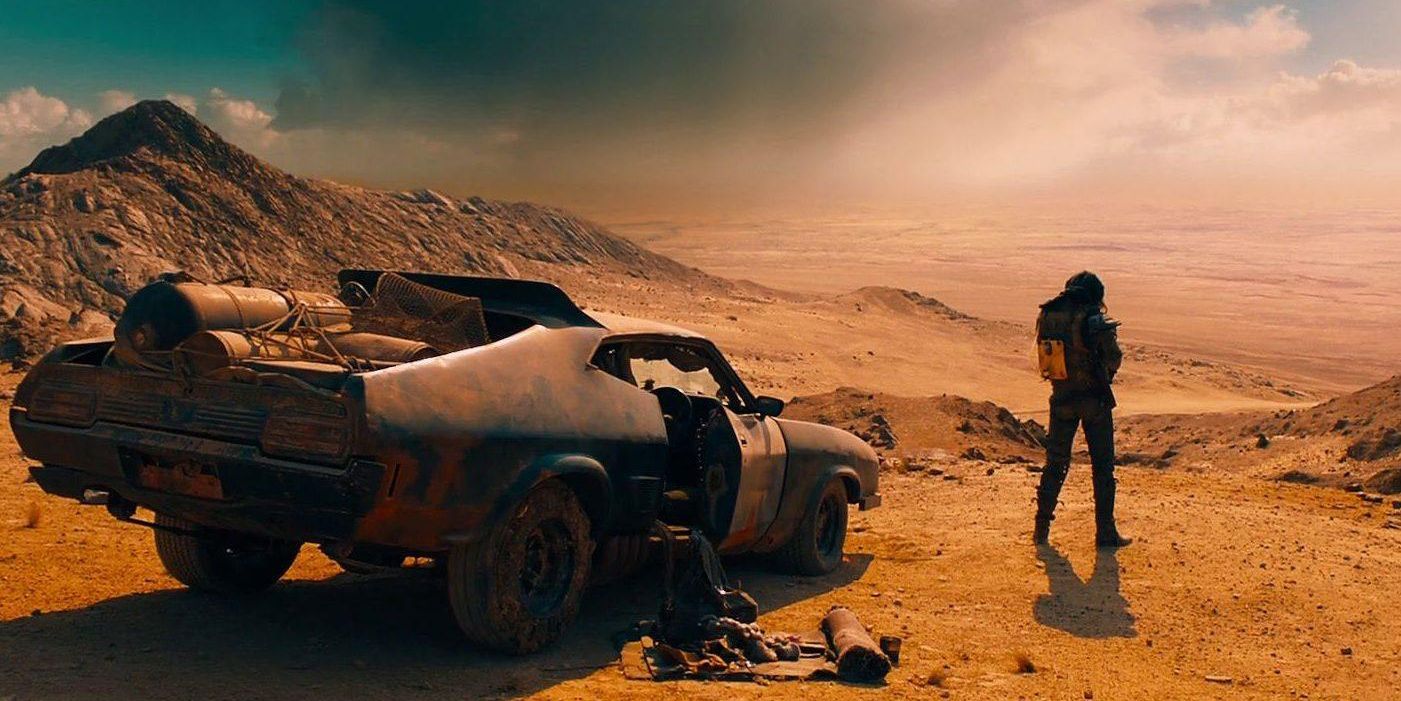
One Mad Max fan theory makes the claim that the franchise’s offscreen apocalypse never actually occurred but is instead the result of the title character’s fractured psyche attempting to process the brutality of his life, and it is a pretty convincing hypothesis despite some problems. The Mad Max series started in 1979 with the release of the original Mad Max, a critically acclaimed low-budget action thriller. The original Mad Max was a sparse, raw, and relatively grounded revenge movie.
However, as the Mad Max series progressed, its settings and characters grew more and more outlandish and over-the-top. The original movie barely featured any sci-fi elements, as the real reason that Mad Max was set in the future was to save on production costs. In contrast, the movie's much more action-packed sequels such as The Road Warrior, Beyond Thunderdome, and Fury Road were all set in a post-apocalyptic wasteland whose scarce resources defined their plots and appeared to take place after an offscreen apocalypse ended the world in series.
However, one fan theory claims this summation of the series is not quite right. According to a theory outlined on Reddit, there never was an apocalypse in the world of Mad Max. Instead, the theory essentially posits that Max is a Don Quixote-esque figure who has been in a fugue state since the climax of the comparatively realistic first film in the series and has been imagining the rest of the franchise’s events or, at the very least, wildly distorting the reality of what is happening. It is a pretty out-there theory, but then so is the suggestion that Max is immortal and that popular fan theory still gained a lot of traction among the franchise faithful. Regardless, the thought that Mad Max’s offscreen apocalypse might not have ever happened is at least worth considering the evidence for and against.
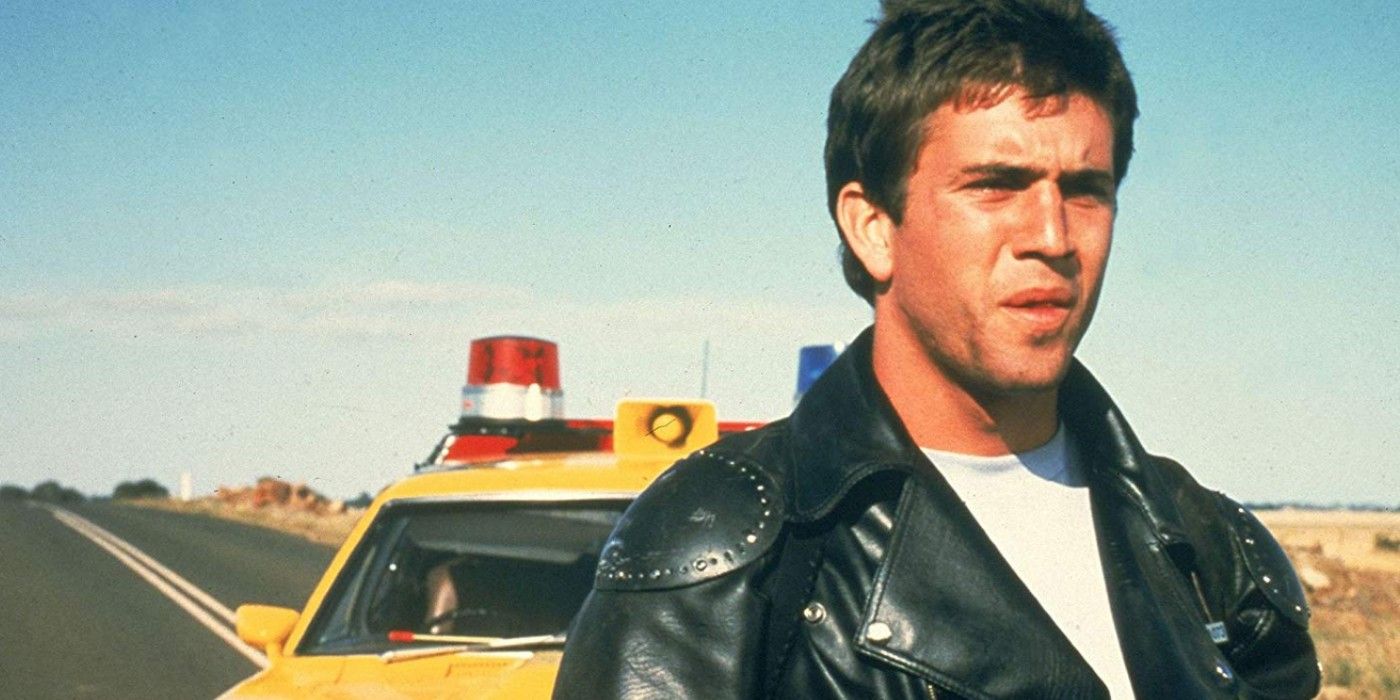
Basically, the “Mad Max’s apocalypse never really happened” theory is as simple as it sounds. Without his family, Max’s world fell apart and as such, the character imagined the world around him doing so too. From there, it is up to the individual viewer whether Max is fighting real threats and exaggerating the way he views them or imagining the villains of the series wholesale. However, the former is the more interesting proposition. From The Road Warrior's Lord Humungus to Fury Road’s Immortan Joe and the War Boys, Mad Max’s enemies have always had their basis in very real social and cultural phenomena. The series has depicted its uniformly human villains as thieving marauders, lethally well-armed cults, and despotic dictators, but there is no reason to think that these figures wouldn’t exist in the “real” pre-apocalypse world—albeit likely dressed in less garish fashions.
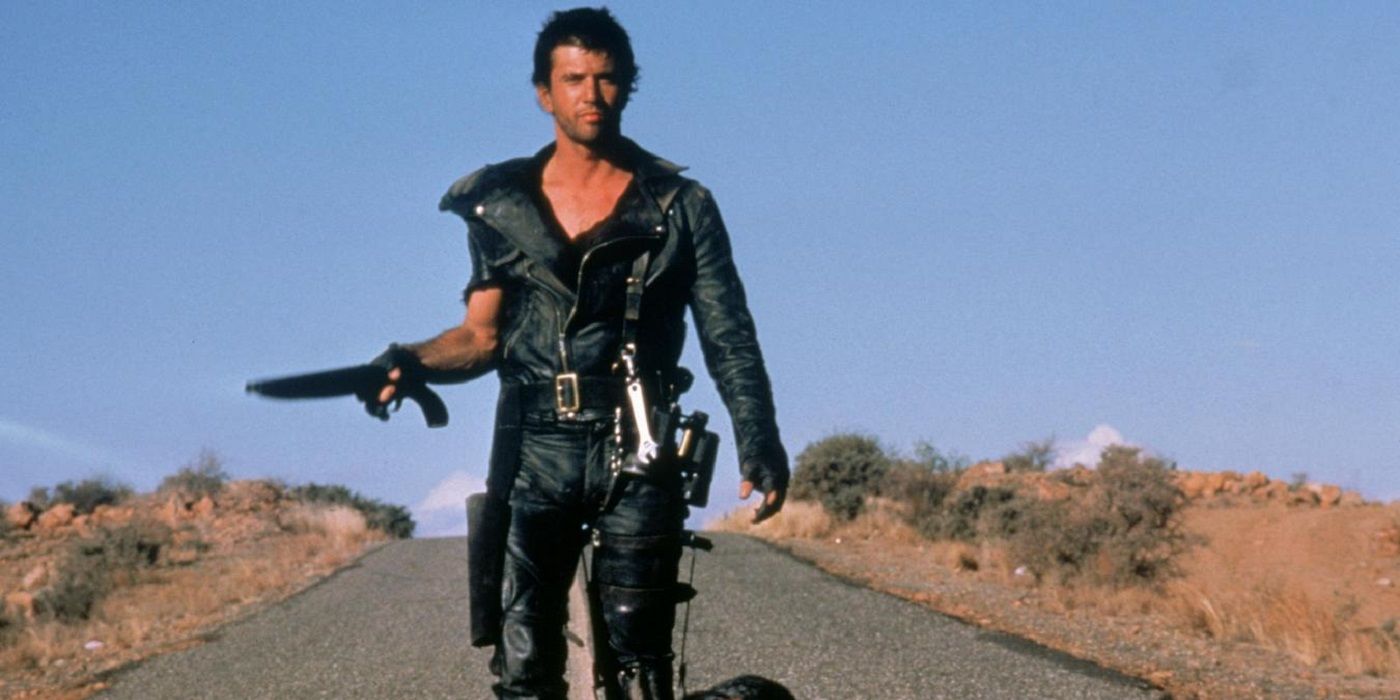
Luckily, there is some compelling evidence to back up this intriguing idea. Thanks to Tom Hardy being cast in the role, Max and Furiosa are the same age (mid-30s) by the events of Fury Road. However, Max had a rural home and a family as a rookie cop only ten years earlier, whereas Furiosa said she grew up with the Vuvalini in Fury Road’s Green Place before being brought to the Citadel. This could explain why Fury Road has Max's only voiceover wherein he explains his origins, as their age similarity means any “apocalypse” must have occurred while Max was growing up, too. Thus, the lead character could be imagining the level of environmental devastation that he thinks has occurred in the Citadel. Max may be seeing the injustice, misogyny, and inequality of life in the Citadel through a delusional perspective, making a corrupt and oppressive city into the water-less hellscape of the movie because that is how he perceives it to be.
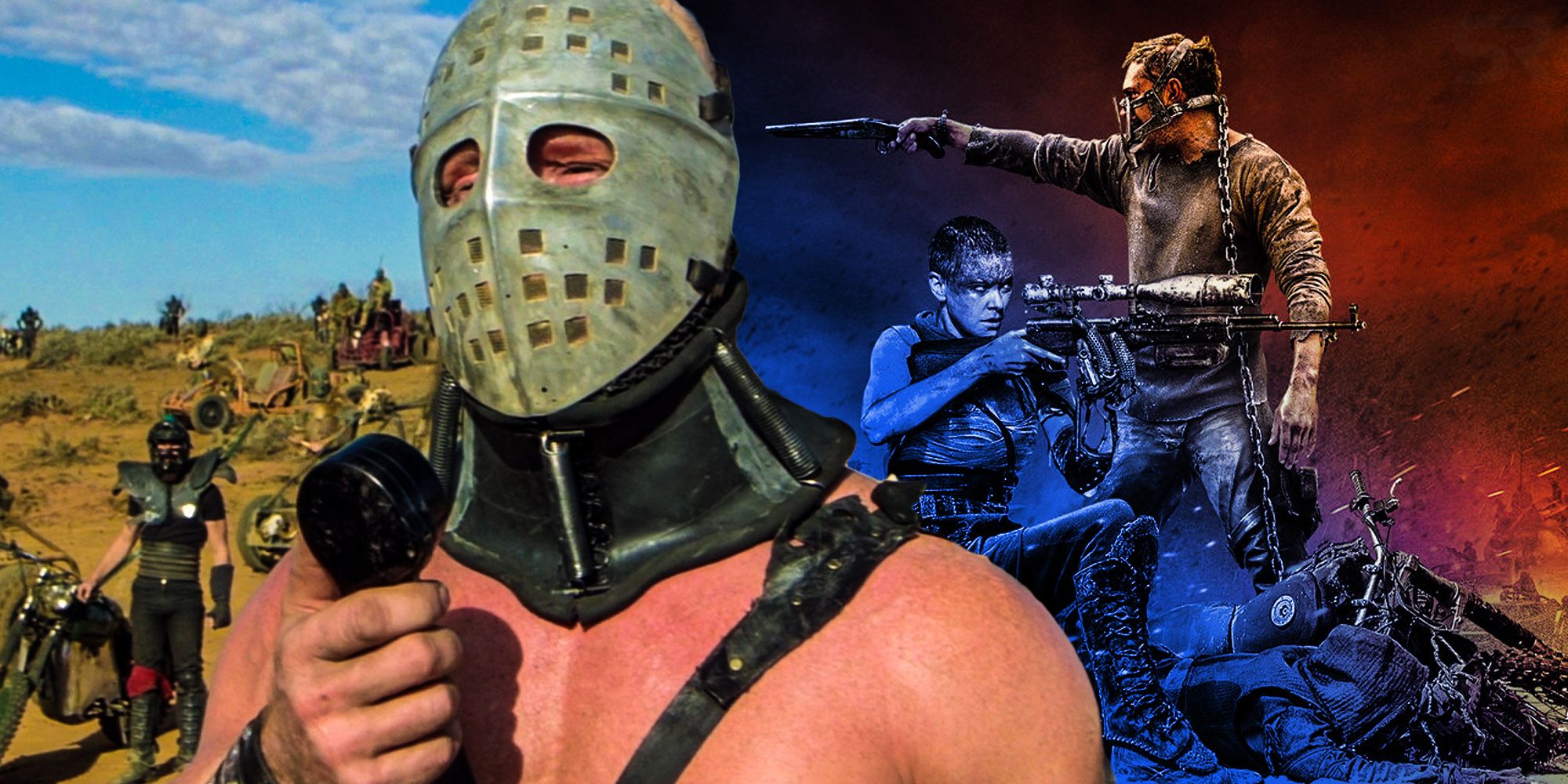
What is most compelling about this theory is that the plots of The Road Warrior (Max helps a community fight a bullying gang), Beyond Thunderdome (Max becomes entangled in a small city’s power struggle), and Fury Road (Max helps save young captives from a sleazy, tyrannical politician) all work as pre-apocalyptic action thriller stories. Max discovering that Master Blaster is innocent in Beyond: Thunderdome, for example, is a scene that could appear in a movie about an illegal fighting ring, a mob movie, or any number of crime movies wherein a patsy is set up by a seemingly benevolent authority figure. All of the sequel’s plots are the sort of violent neo-western thrillers that could be Clint Eastwood (or indeed, Mel Gibson) movies if it were not for the franchise's trademark futuristic milieu. This theory suggests that they are those more grounded movies, and Max uses over-the-top sci-fi imagery to cope with his devastating loss and make his ultra-violent exploits more palatable. After all, the original movie made it clear that Max is pretty great at killing people when he sets his mind to it and lets go of his sanity, and the high body count of Mad Max’s sequels could mean that the title character is trying to rationalize his John Wick-style killing sprees by seeing his victims as cartoony sci-fi villains.
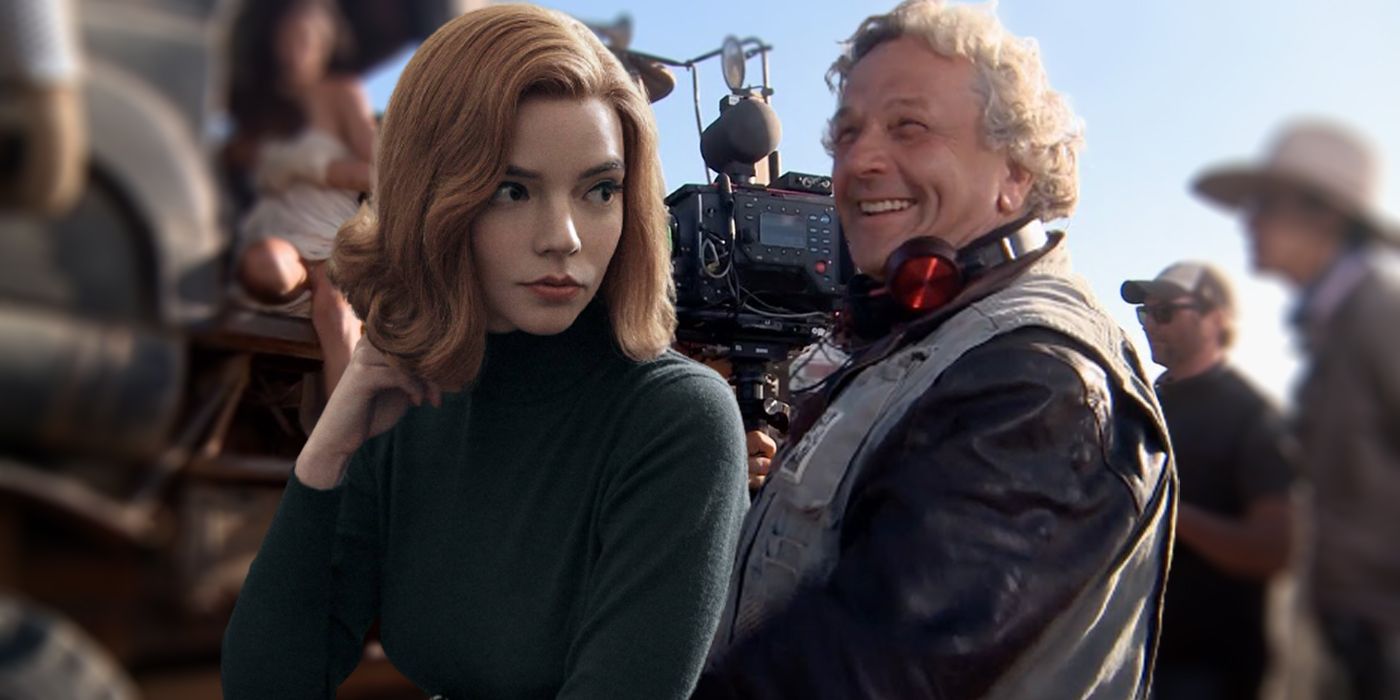
As interesting as the idea is, one of the most important themes in Mad Max and its sequels is the environmental cost of Peak Oil and the societal collapse that could follow the event. Series creator George Miller has discussed an off-screen apocalypse that takes place in the movies and, although he has also joked about changing the canon of Mad Max on a whim, revealing that the world never ended in series could ruin the franchise’s most resonant recurring theme. Not only that, but without an apocalypse, Furiosa’s upcoming spinoff would probably not be the biggest Mad Max movie yet, as the outing would have no use for an increased scale and scope unless it hoped to depict massive events like the long-teased end of the world. As a result, despite the many interesting implications of this fan theory, it is unfortunately very unlikely that this otherwise compelling story will be made canon in the world of Mad Max.
from ScreenRant - Feed https://ift.tt/2V6PrSf